
Why Daily Movement Matters: Simple Ways to Stay Active
Recent Post
-
 Everyday Habits for a Healthier Heart
-
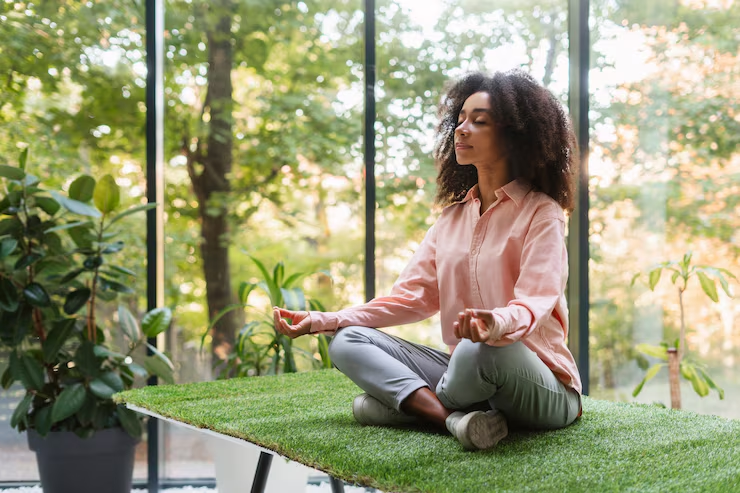 Simple Ways to Support Your Mental Wellness Every Day
-
 Why Daily Movement Matters: Simple Ways to Stay Active
-
 Better Sleep Starts with Better Habits
-
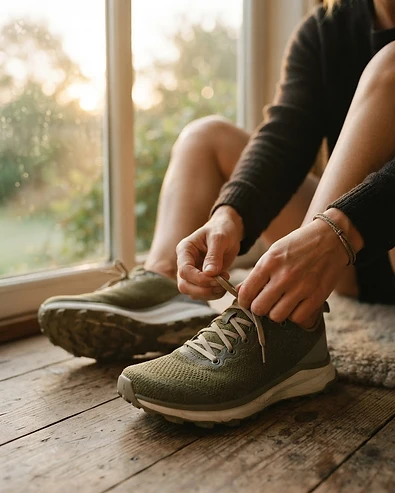 6 Simple Healthy Habits That Can Improve Your Daily Life
-
 The Basics of Balanced Nutrition: What Your Body Needs Every Day
Category : Fitness
You don’t need to spend hours in the gym to make movement part of a healthy lifestyle. Regular physical activity can support cardiovascular health, muscle strength, mobility, energy, mood, and overall quality of life.
Simple activities such as walking, taking the stairs, stretching, gardening, or doing short home workouts can help you stay active throughout the day. If you spend long periods sitting, taking regular movement breaks can also be a practical way to add more activity to your routine.
Start with activities you enjoy and choose realistic goals. Consistency matters more than intensity when you’re building a sustainable fitness routine.
Why Daily Movement Matters: Simple Ways to Stay Active
When we think of exercise, we think of the gym, running shoes, sweating it out, and so on. A lot of research and my doctor have now convinced me that the movement we do as part of our day-to-day life is important for our metabolism. You don’t need a perfect routine. You need to move.
Every Little Movement Counts
Studies show that low-intensity activity (walking, cooking, cleaning, even standing) is associated with a lower risk of long-term disease and early death. The WHO now recommends that replacing any amount of sitting with any amount of activity benefits health. The message has moved from ‘exercise hard’ to ‘sit less and move more’.
Even very brief bursts of activity are of benefit. Research shows that one to three minutes of brisk movement (e.g. climbing a flight of stairs) is associated with improved heart health and longer life, even if you don’t do any formal exercise. Movement also lifts your mood, and even small amounts of activity are linked to feeling more energised.
Rethinking the Step Count
We all seem to be on the 10k-step crusade, though that figure was originally a Japanese pedometer marketing campaign in the 1960s rather than a health recommendation. Evidence shows that each additional 1000 steps is associated with lower mortality and cardiovascular risk, with benefits apparent well below the 10k mark. For older people, the 6k to 9k range per day is associated with a significantly lower risk of heart disease than the 2k range. Progress counts more than the exact number.
Simple Ways to Move More
The simplest habits are the ones you can fit into your normal routine:
- Try ‘snacktivity’. Add in two to five minutes of movement throughout the day. Take the stairs, do some squats while you’re brushing your teeth, jog in place while the kettle’s boiling, stretch your arms over your head after a meeting, or dance to your all-time favourite song. Find little bits of movement that are enjoyable and easy to slip into your day.
- Travel actively. Walking or cycling part of your journey can add 5 to 45 minutes of activity each day.
- Let chores count. Gardening, cleaning, and even taking the bus will all help you stay active without feeling like you’re exercising.
- Break up long periods of sitting. A bit of light movement now and then can make a difference.
Making It Stick
Lasting habits start small. A few minutes here and there build confidence, and that confidence, in turn, makes the next step much easier. Pick things you actually enjoy doing, keep your schedule as flexible as possible, and track your progress in the way that makes sense to you. Some people will use a journal or an app; others will be perfectly happy with a paper diary, a simple list on the fridge, or just a sticker on the calendar for each day they move. Support from friends and family also helps.
Over time, focus on how the movement feels rather than on what your device tells you. You’ll start to notice a calmer mind, a better mood and more energy. Movement will go from being a chore to something you actually want to do. There will, of course, be days when you’re tired, unmotivated and can’t find the time. That’s perfectly normal. If you miss a day or go off track, start again with a small step (a quick stretch, a short walk, etc.). Any bit still counts, and every day is a chance to start again.
Not Everyone Starts from the Same Place
Remember that for some people it’s far easier to move than for others. Available infrastructure (safe pavements, etc.), the time you have, and your own health all play a part in what is realistic. Women, older people, and people with a disability are groups who are likely to be inactive. For those with limited mobility, chair exercises, gentle stretching, or arm movements can be a good place to start. Simply moving your feet or hands in place, or doing small range-of-motion exercises whilst seated, can be beneficial. Personalised approaches (such as individual activity plans and community support) have shown real results, including increased daily step counts and improved blood pressure in inactive older women.
The Takeaway
You don’t need a gym membership or a fixed plan. Start with a short walk, a few stairs, or a stretch between tasks, then build from there. It’s the little things, done consistently every day, that make the difference and lead to a healthier, more energetic you.